 Nuestra Mesa de Partes Virtual

The Allure of Gambling: An Introduction
The modern casino experience is meticulously designed to captivate and enchant its visitors, drawing them into a world where the thrill of risk and reward is ever-present. This allure taps into the psychological aspects of gambling, combining elements of excitement, reward systems, and social interaction to create an environment that is almost irresistible. Gamblers looking for insights into strategies may consider checking the nrl betting odds to improve their chances, but the psychological factors that keep players engaged go well beyond mere financial gain and delve into emotional and cognitive realms.
A central feature of this allure is the principle of intermittent reinforcement, rooted in behavioral psychology. This phenomenon occurs when rewards are dispensed at unpredictable intervals, leading individuals to gamble with the hope of receiving a win. The uncertainty associated with each bet enhances the thrill of the experience, creating a cycle of anticipation and excitement. Each time a player places a bet, their brain releases dopamine, a neurotransmitter linked to pleasure, which reinforces the behavior and encourages further gambling. This cycle of reward and anticipation is a powerful motivator, keeping players engaged longer than they had initially planned.
Moreover, the ambiance of modern casinos is meticulously crafted to amplify these psychological effects. From the bright lights that dazzle the eye to the enticing sounds of slot machines chiming with success, every element is engineered to stimulate the senses. This carefully curated environment contributes to a sense of euphoria that can lead to extended gambling sessions, blurring the line between entertainment and compulsion for many players. The combination of environmental factors and psychological triggers creates a compelling atmosphere that keeps players returning for more, often at the expense of their better judgment.
The Role of Cognitive Biases in Gambling
Cognitive biases significantly influence how individuals perceive and engage with gambling, altering their decision-making processes. A common bias observed is the illusion of control, where players believe they can influence the outcome of a game through their choices or strategies. This misconception is particularly prevalent in games of chance, where outcomes are inherently random. When players mistakenly believe that their skill can override luck, they tend to take greater risks, thereby fueling the gambling cycle and leading to potential financial losses.
Another prevalent cognitive bias is the gambler’s fallacy, which is the belief that past events can influence future outcomes in random scenarios. For instance, a player might assume that a particular slot machine that has not paid out recently is «due» for a win. This misunderstanding amplifies the desire to keep playing, as players mistakenly believe that their chances of winning improve the longer they engage with the game. Such cognitive errors can lead to increased gambling activity and can further entrench individuals in the cycle of gambling addiction.

These cognitive biases are not merely academic concepts; they have tangible implications in the casino environment. By understanding how these psychological traps function, casinos can refine their offerings and marketing strategies. They may capitalize on players’ overconfidence due to these biases, leading them to gamble longer and more intensely, even when the odds are not in their favor. This insight is a double-edged sword; while it benefits casinos economically, it poses serious risks to players who may find themselves ensnared in a pattern of compulsive gambling.
The Impact of Social Factors on Gambling Behavior
The social context in which gambling occurs profoundly influences players’ experiences and decisions. Many individuals are drawn to casinos not solely for the games but also for the opportunity to socialize and form connections with others. The lively atmosphere, filled with groups of friends, families, and strangers alike, fosters a sense of camaraderie that amplifies the psychological appeal of gambling. This social dimension can make the experience feel more rewarding, as individuals share in each other’s excitement and emotions.
Moreover, peer pressure can significantly impact gambling behavior. When surrounded by others who are winning or enjoying themselves, individuals may feel compelled to join in, even if they initially intended to refrain from gambling. This social reinforcement can lead to riskier bets and larger wagers, as the desire to conform and partake in the excitement overrides rational decision-making. The communal aspect of gambling can blur the lines between responsible play and reckless behavior, making it essential for players to remain aware of their motivations.
The rise of online casinos has further complicated the social dynamics of gambling. Virtual platforms allow players to connect with friends and new acquaintances, often leading to collaborative gaming experiences. This shift has introduced new psychological dynamics, where players may feel emboldened to gamble more due to the perceived anonymity of online environments. While this can enhance the social experience, it also raises concerns about increased risks of compulsive behavior, as the lack of physical presence may diminish accountability and self-regulation among players.
The Consequences of Gambling Addiction
While many engage in gambling as a form of entertainment, for some, it can lead to severe psychological consequences, including addiction. Gambling addiction is characterized by an inability to control one’s gambling habits, even when faced with negative outcomes. This compulsive behavior can wreak havoc on personal relationships, financial stability, and overall well-being, often leading to a cycle of despair and desperation for those affected.
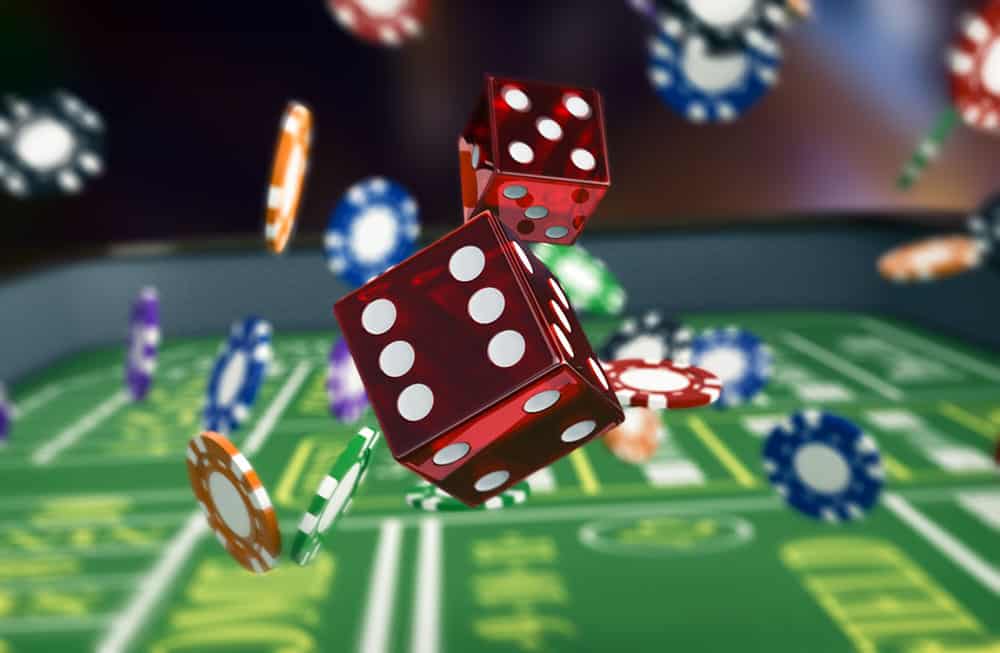
The risk factors for developing a gambling addiction are complex and multifaceted. Individuals with underlying mental health issues, such as anxiety, depression, or substance abuse problems, may be more susceptible to using gambling as a coping mechanism. The temporary high from winning can provide a fleeting escape from emotional distress, but this often leads to a compounding cycle of chasing losses that ultimately deteriorates mental health. Recognizing these patterns is crucial for both individuals and support systems aiming to combat the detrimental effects of gambling addiction.
Addressing gambling addiction requires a comprehensive approach that includes support networks, educational resources, and targeted interventions. Many casinos are beginning to acknowledge their role in promoting responsible gambling practices and are implementing measures to assist those who may find themselves struggling. By fostering an environment that encourages healthy play and provides resources for help, casinos can contribute positively to the ongoing conversation about gambling addiction and recovery. Awareness and proactive measures are essential in mitigating the adverse effects of this complex issue.
Understanding the Casino Experience Through Online Resources
In the contemporary era, the exploration of gambling psychology extends beyond physical casinos and into the realm of online resources. Websites dedicated to gambling education and responsible play serve as vital tools for both casual and avid gamblers. These platforms provide valuable insights into the psychological aspects of gambling, helping players understand their motivations, behaviors, and the potential risks associated with gambling activities.
Furthermore, online resources often feature tools that assist individuals in monitoring their gambling habits, such as self-assessment quizzes and budgeting calculators. By empowering players with knowledge and actionable insights, these websites promote healthier gambling practices that can mitigate the risk of addiction. They act as a bridge between entertainment and awareness, ensuring that players can enjoy their experiences responsibly while remaining mindful of their limits.
Additionally, community forums and support networks available on these platforms allow individuals to share their experiences and connect with others who understand their challenges. This sense of community fosters a supportive environment where individuals can seek help and advice, making it easier to navigate the complexities of gambling behavior. As the conversation around gambling psychology evolves, access to such resources is critical for fostering informed decision-making and promoting a healthier relationship with gambling.
Comentarios recientes