 Nuestra Mesa de Partes Virtual


The Human Experience of Risk and Reward
The psychology of gambling is deeply rooted in the human experience of risk and reward. When individuals engage in gambling, they often seek the thrill that comes from the potential of winning. This excitement triggers the brain’s reward system, releasing dopamine, a neurotransmitter associated with pleasure and satisfaction. The anticipation of a win can create an exhilarating rush, prompting people to return to gambling venues or online platforms such as canadian betting sites in search of that euphoric feeling. This chase for rewards can easily transform into a compulsive desire, leading some individuals to gamble more than they originally intended.
The concept of risk is intricately woven into the fabric of gambling. For many, the uncertainty surrounding the outcome adds to the allure and excitement of the activity. This unpredictability stimulates mental engagement, as players ponder their strategies, assess their chances, and make decisions that could potentially lead to significant gains. The blend of risk and reward creates a magnetic pull, drawing individuals back time and again. It is this delicate balance that makes gambling an appealing, yet potentially dangerous, pastime.
Moreover, the social environment around gambling can enhance its psychological effects. Gamblers often find themselves in vibrant settings filled with energy and camaraderie, contributing to a heightened state of emotional arousal. This social aspect reinforces the excitement of the experience, as players share in each other’s joys and disappointments. The ambiance of gambling establishments is carefully designed to keep players engaged, featuring bright lights, enticing sounds, and inspiring surroundings that create an immersive experience, further deepening the psychological grip of gambling.
The Role of Cognitive Biases
Cognitive biases significantly influence the way individuals perceive and engage in gambling. One of the most prevalent biases is the illusion of control, where gamblers believe they can influence the outcome of games that are primarily based on chance. This belief can lead individuals to adopt strategies that are unlikely to affect their success rate but provide comfort and a false sense of security. For example, a player might think that a specific betting pattern will increase their chances of winning, despite the randomness of the game.
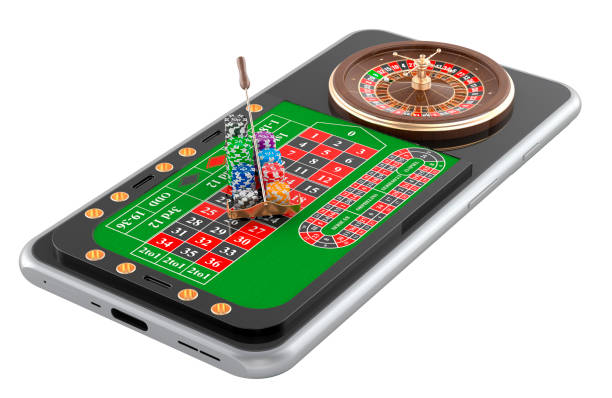
Another common cognitive bias in gambling is the gambler’s fallacy, where individuals assume that past events will impact future outcomes. For instance, if a certain number has not appeared in a roulette game, a gambler might believe that it is «due» to come up soon. This misinterpretation of probability can lead to continued participation and increased betting, often resulting in losses. These biases highlight how distorted thinking plays a crucial role in the gambling experience, making it difficult for individuals to make rational choices.
Finally, the concept of selective memory further complicates the psychological landscape of gambling. Gamblers often remember their wins more vividly than their losses, leading to an inflated sense of success. This selective recall can fuel the desire to gamble again, as individuals focus on the positive experiences while conveniently overlooking the times they lost money. Such cognitive distortions create a feedback loop that keeps players engaged, perpetuating their gambling behavior and making it harder for them to recognize the potential risks involved.
The Social and Cultural Dimensions of Gambling
The social and cultural dimensions of gambling play a significant role in shaping individuals’ attitudes and behaviors toward this activity. In many cultures, gambling is ingrained in social traditions, celebrations, and rituals. For instance, during festivals or special occasions, people may engage in games of chance as a communal activity, fostering a sense of belonging and shared experience. This cultural acceptance can reinforce the idea that gambling is a normal, even celebratory, part of life, encouraging participation across various demographics.
Furthermore, the portrayal of gambling in media and popular culture often glamorizes the activity, depicting it as a thrilling escape that offers the chance for a glamorous lifestyle. Movies and television shows frequently depict characters who strike it rich through gambling, perpetuating the myth that anyone can achieve similar success. These representations can influence public perception and entice individuals to try their luck, believing that fortune is just a game away. The narrative surrounding gambling can overshadow the potential for negative consequences, contributing to a cycle of participation.
Moreover, peer pressure can significantly impact gambling behaviors, especially among younger individuals. If a person’s social circle views gambling positively, they may feel compelled to take part to fit in or gain approval. This desire for social acceptance, combined with the thrill of gambling, can lead to increased risk-taking and potentially harmful habits. Understanding the social and cultural influences on gambling is crucial for addressing the concerns surrounding responsible gambling practices and promoting healthier attitudes toward the activity.
The Emotional Landscape of Gambling
The emotional landscape of gambling is complex, characterized by a range of feelings that individuals experience before, during, and after participating in games of chance. The anticipation of a possible win often brings about excitement, joy, and hope, which can be intoxicating. However, this emotional rollercoaster can also lead to feelings of anxiety and despair, particularly when losses occur. Understanding these emotional fluctuations is essential to grasping the full scope of gambling’s psychological impact.

When individuals engage in gambling, they may be motivated by a variety of emotional needs. Some may seek an escape from daily stressors, while others may be pursuing the thrill of risk-taking. For many, gambling provides a unique outlet for emotions, allowing them to channel their excitement, disappointment, and even anger into the activity. This emotional engagement can create a deeper psychological connection to gambling, making it difficult to disengage even when faced with negative consequences.
Additionally, the aftermath of gambling often brings about a range of emotions, including regret and guilt, especially for those who have experienced significant losses. This emotional burden can lead to a cycle where individuals continue to gamble in an attempt to recover their losses, further entrenching them in a damaging pattern. Recognizing and addressing these emotional aspects of gambling is crucial for fostering healthier habits and promoting awareness of responsible gambling practices.
Understanding Gambling Through Responsible Practices
As we delve into the psychology of gambling, it is vital to advocate for responsible gambling practices. Educational initiatives aimed at increasing awareness of the psychological aspects behind gambling can help individuals make informed choices. Understanding the risks, cognitive biases, and emotional influences can empower gamblers to recognize when their behavior may be shifting from recreational fun to unhealthy patterns. Education is an essential tool in promoting a healthier attitude toward gambling, ensuring individuals are equipped with knowledge for better decision-making.
Resources and support systems play a crucial role in fostering responsible gambling. Websites and organizations dedicated to providing assistance to those struggling with gambling addiction offer valuable information and support. Access to these resources helps individuals understand their behaviors, confront their challenges, and seek help when necessary. Building a supportive community around responsible gambling practices can create an environment where individuals feel safe discussing their experiences and seeking guidance.
In conclusion, the psychology of gambling reveals a fascinating yet complex interplay of behavior, emotion, and societal influence. By increasing understanding and awareness of these elements, we can work toward a culture of responsible gambling that respects individuals’ freedom to engage in the activity while safeguarding their well-being. There is an ongoing effort to create accessible platforms that inform and guide individuals on their gambling journey, helping them navigate their choices wisely.
Comentarios recientes